Comparing the Evaluation of Noise Exposure Impact: United States vs. Europe – Environmental Noise
By Jim Thompson
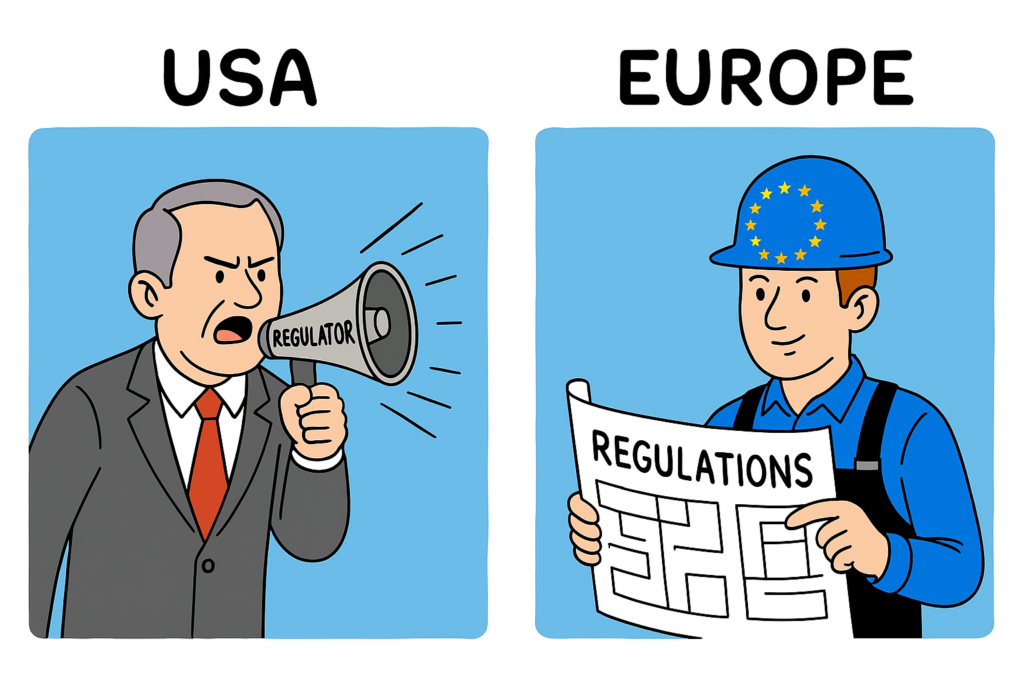
Environmental noise continues to be a problem despite the best efforts of noise control engineers. There is a sharp contrast between the approach taken in Europe and the US. Maybe there are opportunities to learn from these differences.
Introduction
The approaches taken in the US and Europe to the evaluation and management of environmental noise exposure are quite different. Noise is an increasingly recognized environmental issue that affects public health, urban planning, and quality of life in both regions. The United States and Europe have established frameworks to evaluate and mitigate the impact of noise, but their approaches differ in methodology, policy emphasis, and public engagement. It is time for the US to consider the different approaches taken in Europe and possibly adopt some aspects of what is done there.

Regulatory Frameworks and Standards
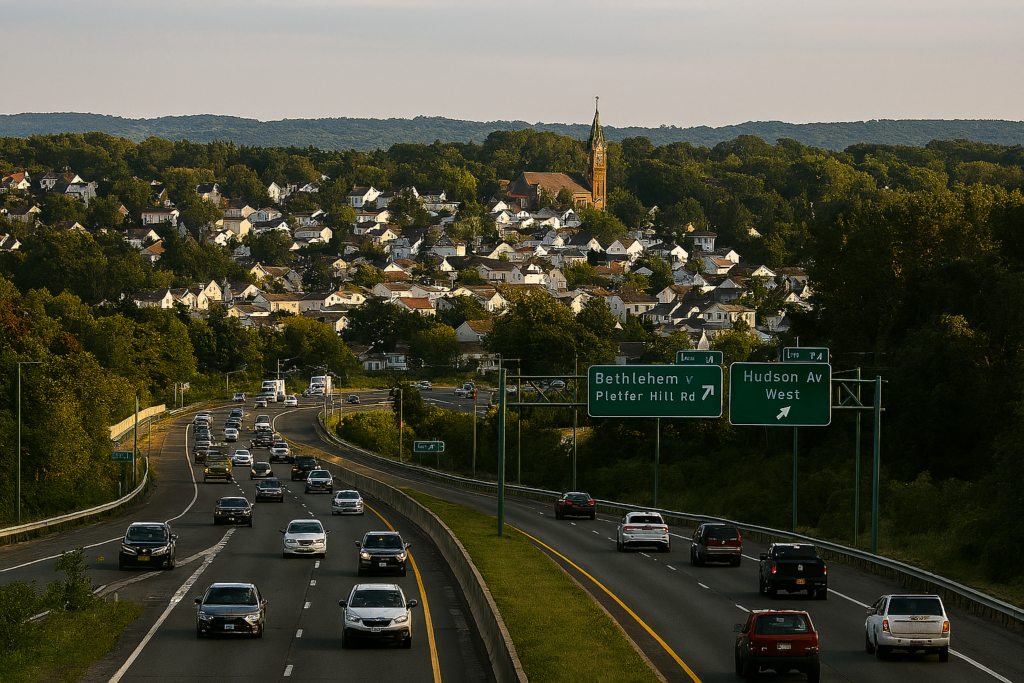
In the United States, environmental noise regulation is primarily governed by the Environmental Protection Agency (EPA). The EPA’s focus is on environmental noise—such as traffic, industrial, and community noise. The U.S. relies on federal guidelines, but actual regulations and enforcement often fall to state and local authorities, resulting in a patchwork of standards and practices. For all practical purposes the EPA has abandoned the regulation and enforcement of environmental noise limits.
In contrast, Europe has adopted a more unified approach. The European Union (EU) has implemented directives such as the Environmental Noise Directive (END), which set common standards for monitoring and reducing noise across member states. The EU requires cities with populations above certain thresholds to produce noise maps and action plans, promoting transparency and consistent evaluation. European standards often integrate environmental, health, and quality-of-life considerations, with specific attention to vulnerable populations.
Assessment Methods and Health Impact Evaluation

The U.S. evaluation of noise impact is typically quantitative, focusing on decibel levels and their correlation with outcomes such as sleep disturbance. While there is considerable evidence of the health impact of environmental noise exposure, the health impact and the cost to society have not been explicitly addressed in the US.
Because of the lack of national standards and enforcement, local communities are often left to attempt to set noise policies and evaluate environmental noise exposure. This is difficult for most communities requiring the use of consultants and case by case evaluations. Such small scale evaluations often falil to address the broader issue of health impact and societal costs of environmental noise.
Europe takes a broader view, combining quantitative measurements with qualitative assessments of well-being. The World Health Organization’s (WHO) European Region has published extensive guidelines on environmental noise, linking exposure not only to hearing loss but also to mental health, cognitive development in children, and overall life satisfaction. European evaluations often include surveys and community input to capture subjective experiences of noise, leading to more comprehensive policy responses. It is not uncommon to see a European environmental impact assessment that includes estimates of increased illness and deaths and their cost to the community due to increased noise exposure.
Public Engagement and Policy Implementation
In the U.S., public engagement on noise issues is generally reactive, driven by complaints and localized activism. There is less emphasis on proactive education or participatory policy development. Noise abatement measures—such as barriers, zoning laws, and restrictions on nighttime activity—are applied unevenly, depending on local priorities and resources. Too often noise studies and corrective action is taken after a problem is identified. This is not to say there is no preconstruction planning and evaluation. In many cases this is done and steps are taken to reduce noise impact. However, the motivation is typically to reduce community reaction and not exceed common standards for sleep disturbance.
In Europe, public engagement is embedded in the regulatory process. The EU Environmental Noise Directive requires authorities to consult communities when developing noise action plans. This participatory approach fosters greater awareness of noise issues and encourages collective solutions, such as quiet zones, traffic restrictions, and urban green spaces. In addition, by relating noise to health impacts and costs to the community, the public has a much different perspective than a simple concern about possible sleep disturbance.
What Should the US Do?
I am not saying that the US should just copy the European approach. I know there are many in the US who believe the European models for illness and deaths due to increased noise have not been adequately proven. I also realize taking a precautionary approach with strict limits and headlines about deaths may lead to legal battles and project delays in the US. However, helping the public to understand that excessive noise has real health consequences and providing realistic cost estimates of the impact of noise would help all to make more informed decisions. Being able to realistically relate noise to cost would go a long way to facilitating rational decisions about noise limits and community protection. It is time that we thought about the approach in the US and evaluated the lessons to be learned from our European colleagues. This seems to be part of a rational approach to treat noise as an exposure problems, instead of an annoyance.
The Future
While both the United States and Europe recognize the importance of evaluating and mitigating noise exposure, Europe’s more integrated and participatory approach stands in contrast to the fragmented, locally driven system in the U.S. As urbanization and transportation networks continue to expand, understanding these differences is crucial for policymakers and public health professionals seeking to create quieter, healthier communities.
Your Thoughts
I would be interested to hear your thoughts on this topic. Is there a better way to address environmental noise that could be implemented in the US? What is the role of the EPA or the federal government? Should the estimates for increased deaths and health impact costs be incorporated in environmental noise considerations in the US?