Integrating Acoustics, Perception, and Policy: Advancing Wind Turbine Noise Assessment through IEA Wind TCP Task RESONATE
By Eoin King, University of Galway, Ireland, Franck Bertagnolio, DTU WIND, Denmark
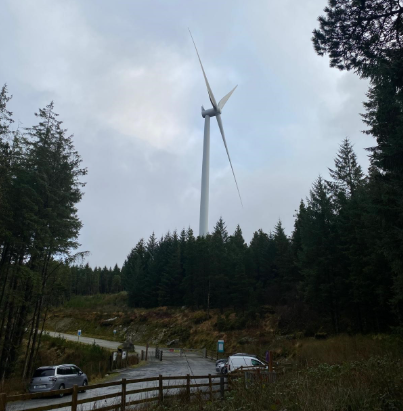
As wind energy continues to play an increasingly important role in the global transition to low-carbon energy systems, ensuring that developments are both technically effective and socially acceptable has become a key challenge. While modern wind turbines are significantly quieter than earlier generations, noise-related concerns remain one of the most important factors influencing community acceptance and planning decisions. Addressing these challenges requires more than advances in acoustical engineering alone. It also demands a better understanding of how wind turbine sound is perceived, interpreted, and experienced by people living nearby.
Task 64, RESONATE (Research on Emissions, Sound, Noise, Acoustics, Transmission & Community Experiences), is a new initiative of the IEA Wind Technology Collaboration Programme (IEA Wind TCP) that brings together experts in engineering, acoustics, psychoacoustics, psychology, and the social sciences to advance international research in wind turbine noise assessment.
Building on from Task 39 – Quite Wind Turbine Technology
RESONATE builds on the achievements of IEA Wind Task 39 – Quiet Wind Turbine Technology, which ran from 2017 to 2024. Task 39 established a unique interdisciplinary collaboration examining the complete pathway from wind turbine noise generation and propagation through to human perception and community response.
Among its achievements were benchmark studies for wind turbine noise propagation models, investigations of aerodynamic noise-reduction technologies such as trailing-edge serrations, studies of tip-noise generation, and important advances in understanding the relationship between sound quality and annoyance. The Task also helped identify several research challenges that would benefit from continued international collaboration.
Perhaps the most significant lesson from Task 39 was that wind turbine noise cannot be fully understood through engineering alone. Meaningful progress came from combining physical modelling with expertise in psychology and human perception, providing a more complete understanding of how sound is experienced by nearby communities. This interdisciplinary philosophy forms the foundation of RESONATE.
Integrating Engineering and Human Experience
The primary aim of RESONATE is to improve understanding of both the physical characteristics of wind turbine noise and its societal impacts. From an engineering perspective, the Task will investigate noise generation mechanisms, near-field and far-field sound propagation, and the physical processes contributing to amplitude modulation. Research will also focus on strengthening the links between source and propagation models, reducing uncertainty in existing prediction methods and improving confidence in environmental noise assessments.
Equally important is the Task’s focus on how wind turbine sound is experienced by communities. Planned activities include research into the mechanisms of annoyance, the development of advanced auralisation tools that allow realistic listening experiences, and the evaluation of regulatory approaches to tonal noise and amplitude modulation. RESONATE will also compare national assessment practices, identify areas of commonality, and explore opportunities for greater consistency in international methodologies.
Looking Ahead
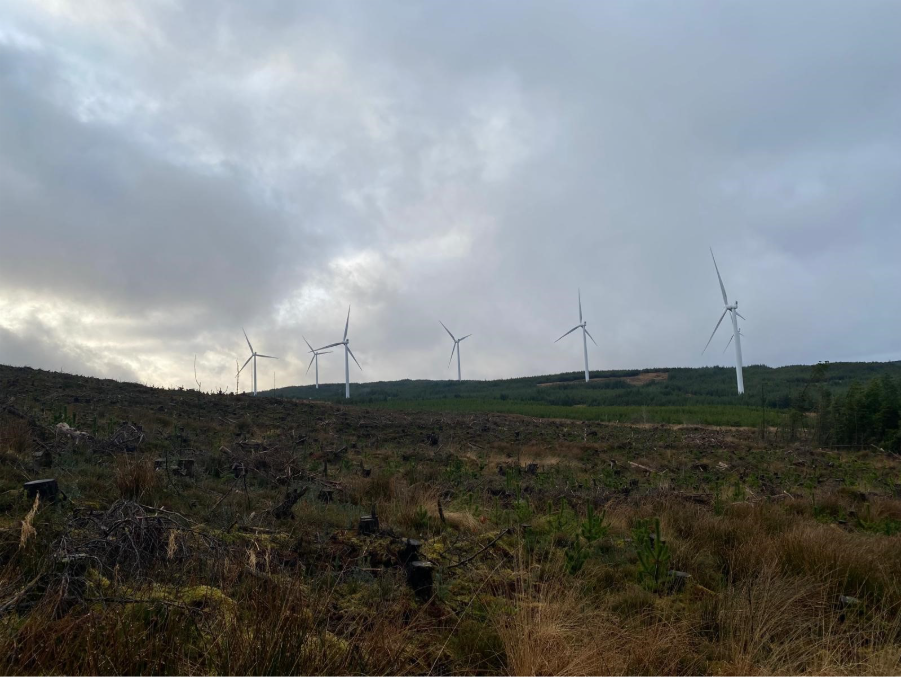
As wind energy deployment accelerates worldwide, the need for robust, transparent, and scientifically defensible approaches to wind turbine noise assessment has never been greater. RESONATE provides a timely opportunity to address many of the remaining scientific questions while strengthening collaboration between researchers working across traditionally separate disciplines.
By integrating advances in acoustical engineering with research on human perception, community response, and regulatory practice, the Task seeks to reduce uncertainty in current assessment methods and improve confidence in the evidence used by developers, regulators, and communities alike. Ultimately, RESONATE aims to support a more holistic understanding of wind turbine noise, one that recognises both the physical properties of sound and the human experience of living with it.
Through international collaboration and the sharing of best practice, the Task will help shape the next generation of wind turbine noise research, contributing to more effective environmental assessments, more informed policy development, and more socially sustainable deployment of wind energy around the world.
About the Authors
Dr. Eoin King is a Lecturer in Mechanical Engineering at the University of Galway and Director of the Galway Sound Lab. His research examines the measurement, prediction, and mitigation of environmental noise, with a focus on developing evidence to support policy and sustainable development.
Dr. Franck Bertagnolio is a Senior Scientist in the Department of Wind and Energy Systems at the Technical University of Denmark (DTU). His research focuses on wind turbine aerodynamics, aeroacoustics, and computational fluid dynamics, with particular expertise in wind turbine noise prediction, aeroacoustic modelling, and the development of low-noise wind energy technologies.